Guiseley occupies a hanging valley between Airedale and Wharfedale, in the shadow of the airport and on the road to the Dales. It is a town built on three unlikely industries: cloth, prams — and the world’s most famous fish and chips.
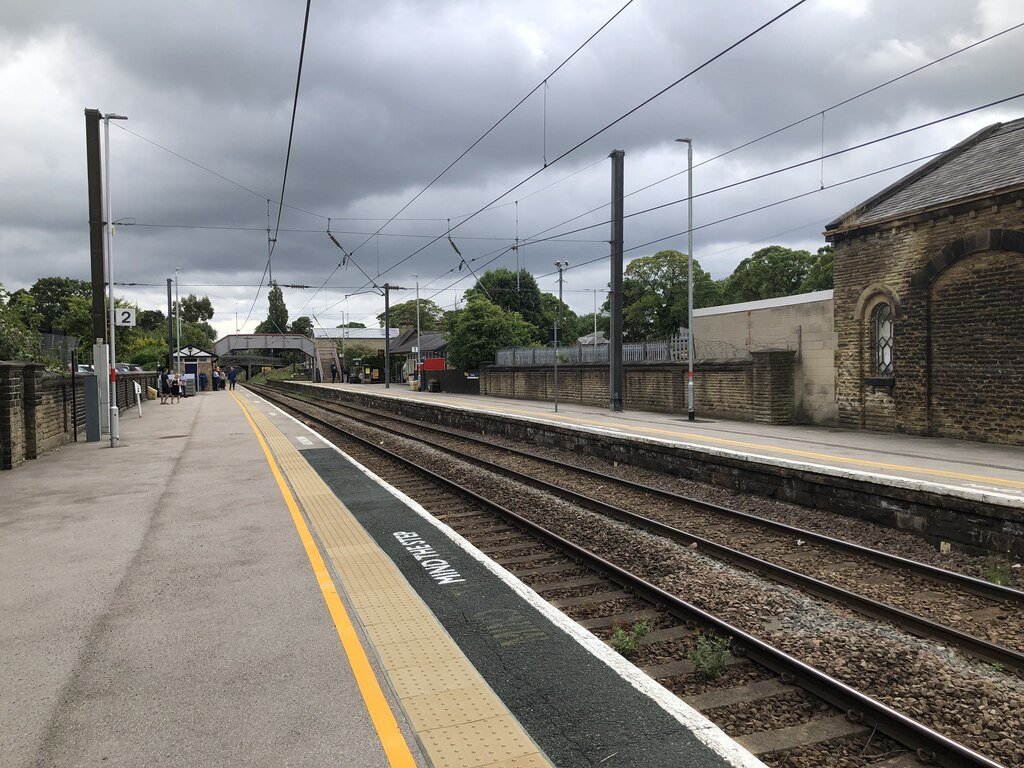
Guiseley today
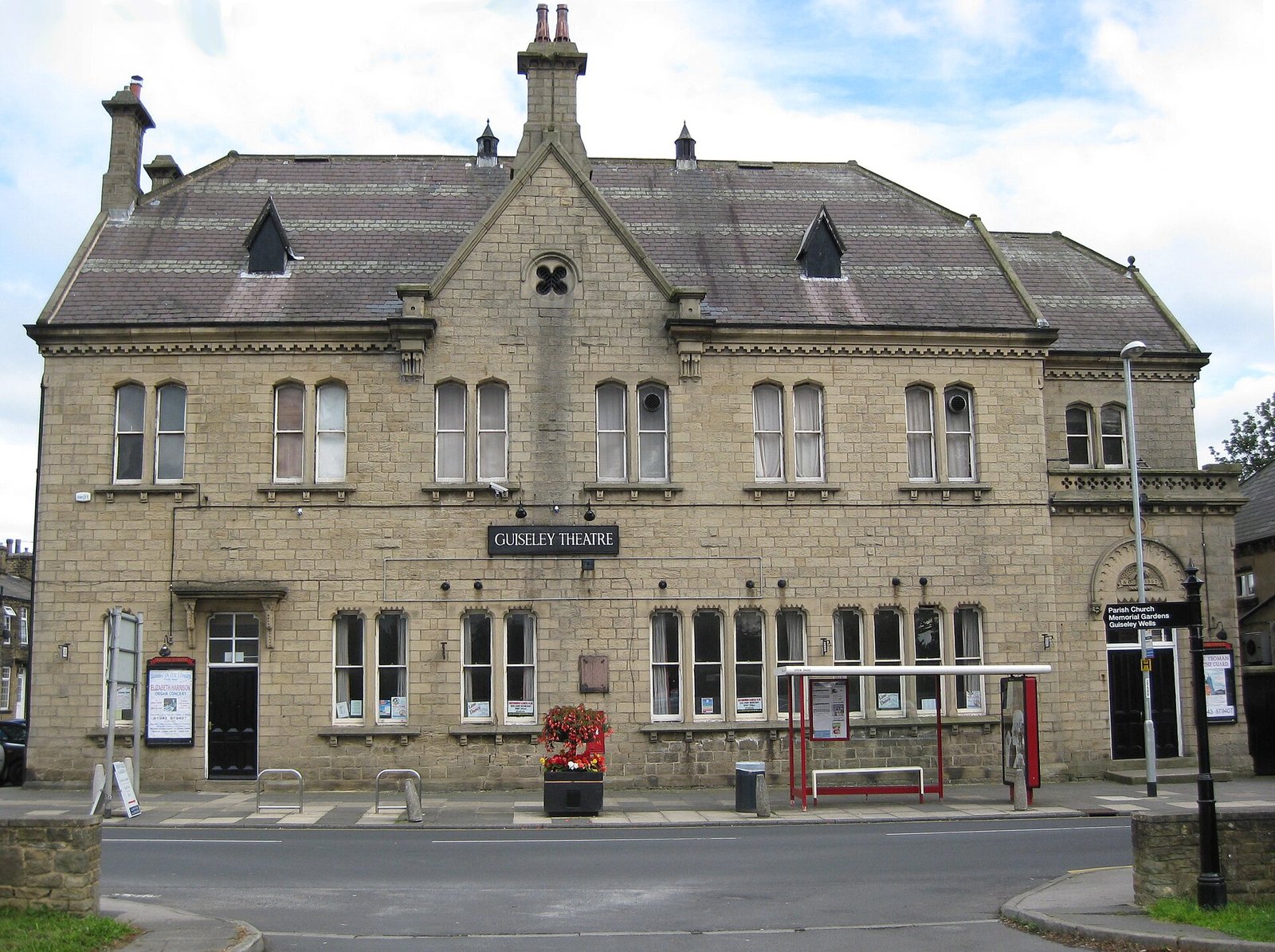
The Guiseley and Rawdon ward counted 22,347 people at the 2011 census. The A65 Otley Road is the town’s shopping spine; its two retail parks stand on the sites of old mills and factories, and its football club, Guiseley AFC — the Lions of Nethermoor Park — climbed as high as the National League in 2015, punching far above the town’s weight. The old town hall of 1867, symbol of its Victorian ambition, is now Guiseley Theatre.
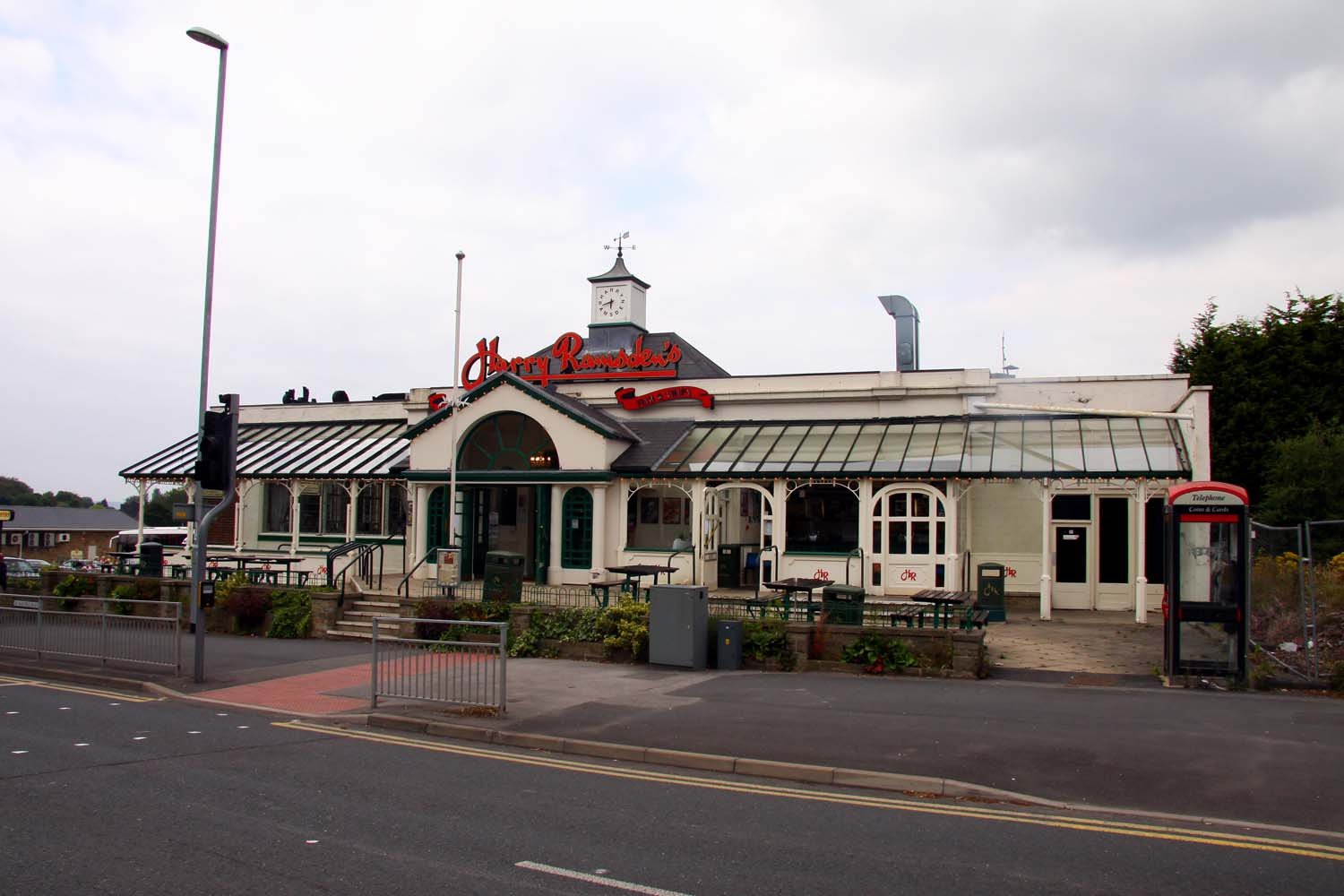
Harry Ramsden’s
In 1928 Harry Ramsden began frying fish and chips from a wooden hut beside the tram terminus at White Cross. Two years later he opened on the same spot what was billed as the world’s largest fish and chip shop — a palatial restaurant with chandeliers and seating for hundreds, drawing coach parties from across the North. The Guiseley original became the flagship of a global brand. It closed in December 2011, but the story refused to end: the Wetherby Whaler group bought the site, spent £500,000 restoring it, and reopened it in 2012 — Guiseley’s most famous dining room, still serving.
Prams and Parkinsons
Guiseley’s other world-beater was Silver Cross, the “Rolls-Royce of prams”, whose factory here (1936–2002) built the coach-built prams pushed by generations of parents, royalty included. Beside it stood Crompton Parkinson, the electrical engineering giant founded by local benefactor Frank Parkinson, a major employer until its factory closed in 2004. Between them, cloth mills, prams and electrical works carried the town through the twentieth century — and their sites, converted to shops and homes, still shape its map.
1812 · The Brontë wedding
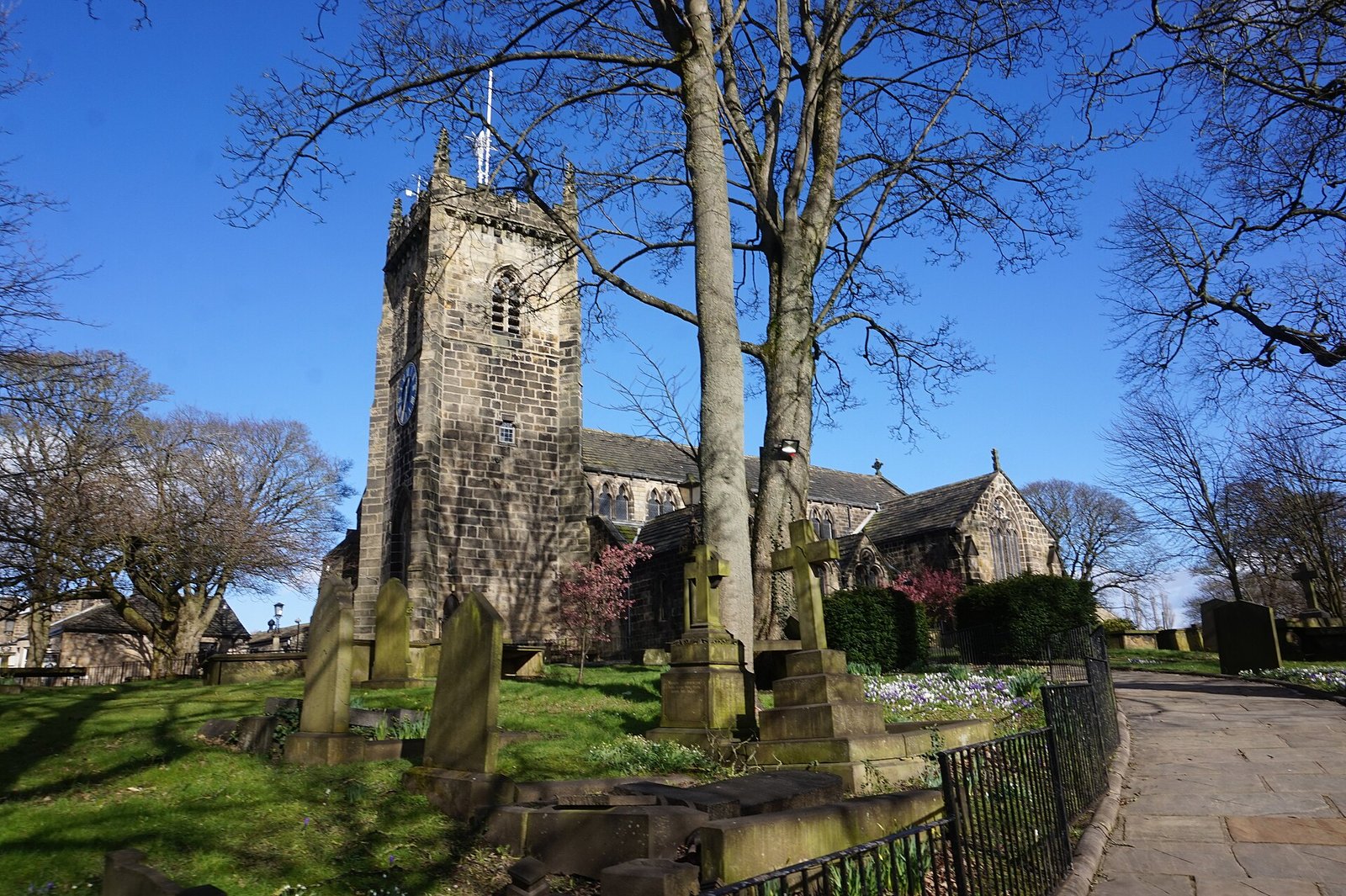
St Oswald’s was the mother church of a vast parish — Horsforth, Rawdon, Yeadon and Carlton were all Guiseley townships until 1866. On 29 December 1812 it hosted a wedding that literary history would never forget: Patrick Brontë married Maria Branwell here. They became the parents of Charlotte, Emily, Anne and Branwell Brontë. The church had already sent one family line across the Atlantic: generations of Longfellows worshipped here, and the poet Henry Wadsworth Longfellow’s ancestor emigrated from Guiseley to the New World in the 17th century.
The Aireborough years
Guiseley governed itself as an Urban District from 1894 — briefly. In 1937 it was merged into a new authority with an invented name, Aireborough (Aire + borough), and in 1974 Aireborough in its turn was abolished into the City of Leeds. Unlike Morley or Horsforth, Guiseley never regained a council of its own, which is why its identity today is carried by its clubs, its theatre, its civic society — and its chippie.
972 · Gīslic’s clearing
The name appears around 972 as Gislicleh and in Domesday as Gisele: the clearing of a man called Gīslic — a name recorded nowhere else in England, a ghost in the records. People were here far earlier: Stone Age and Bronze Age finds dot the town, a Roman road (72b) crossed Guiseley Moor, and the Saxon settlement grew around a spring — Guiseley Wells — that quenched the town’s thirst for a thousand years before the mills, the prams and the chip shop made it famous.
Photographs via Wikimedia Commons (CC BY / CC BY-SA). Sources include the BBC’s report on the original Harry Ramsden’s, Aireborough Civic Society’s history of Guiseley and the UK census.