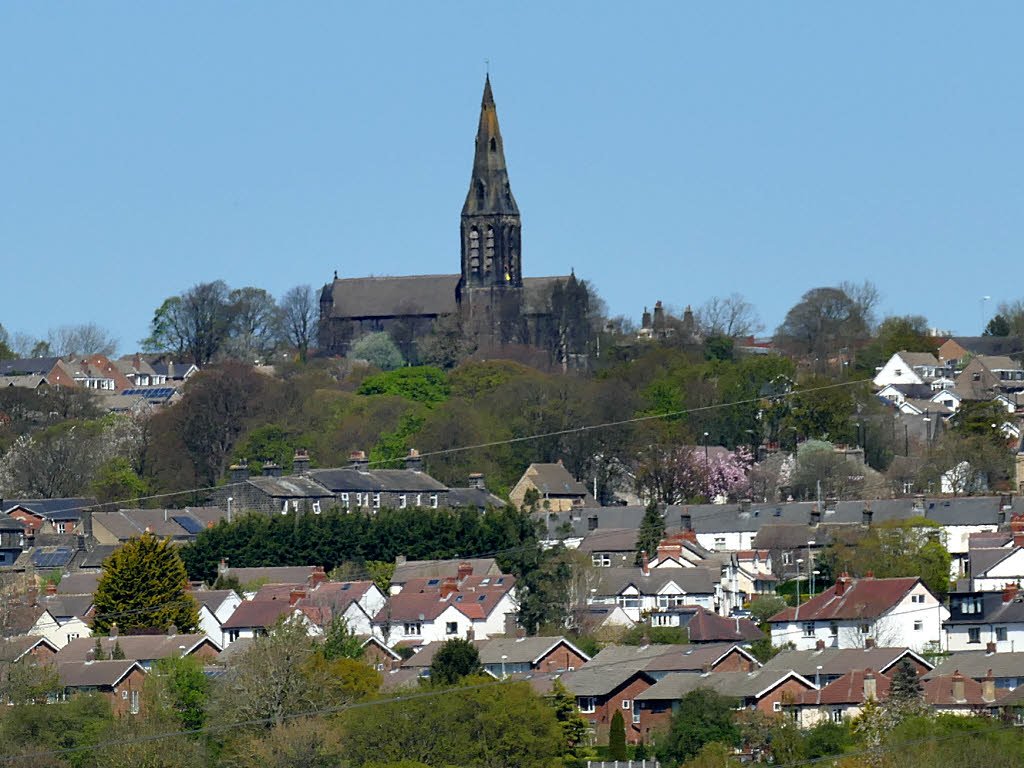
Five miles north-west of Leeds city centre, Horsforth is a town that spent most of its life as a village — and not just any village. In the late nineteenth century it was reputed to be the largest village in England. It kept its independence until 1974, won back its own town council in 1999, and still guards its village character fiercely: a museum on The Green, a high street of local sandstone, and the spire of St Margaret’s watching over the rooftops.
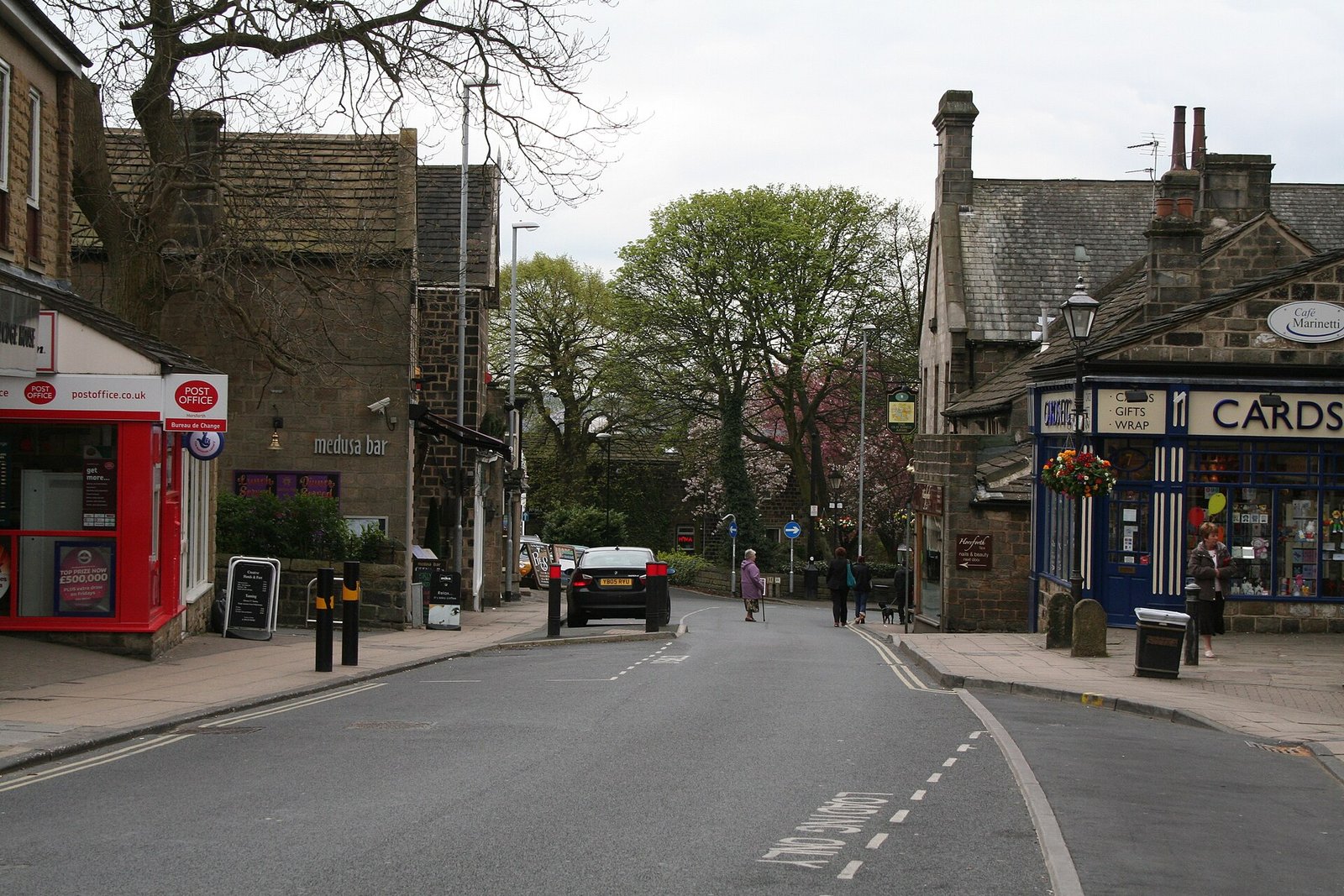
Horsforth today
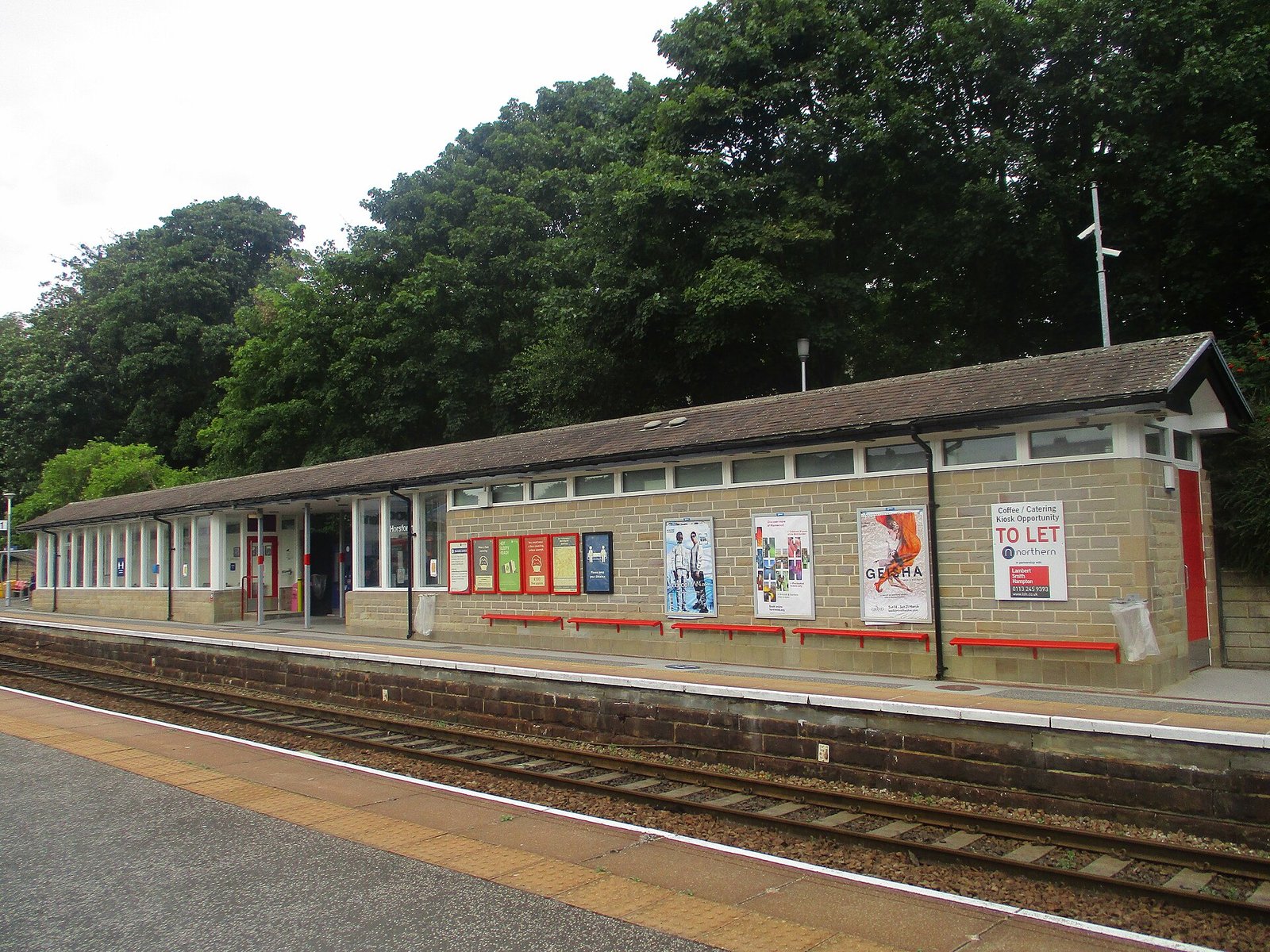
Horsforth had a population of 18,895 at the 2011 census. It is home to Leeds Trinity University, a station on the Harrogate line, and a main street — Town Street — lined with pubs and cafés in buildings of warm local stone. In October 2020 it was named the most musical village in Britain, with 22 home-grown acts in the charts at once. Its famous names tell the story of a place that raises talent: Olympic triathlon champions Alistair and Jonny Brownlee, actor Matthew Lewis (Neville Longbottom in the Harry Potter films), footballer James Milner (Horsforth School), and singer Marc Almond, who attended Featherbank Primary.
The village that bought a warship
Horsforth’s finest hour came in the Second World War. Under the Warship Week scheme, communities across Britain saved to “adopt” a Royal Navy vessel — and the people of Horsforth raised the entire £241,000 cost of building the corvette HMS Aubrietia. The achievement was remembered long after the war: in 2000, US President Bill Clinton wrote to the local MP acknowledging Horsforth’s contribution to the war effort. The letter is now kept in the village museum. Less gloriously, the Scout and Guide hut on New Road Side was requisitioned as an emergency mortuary for the factories around Yeadon Aerodrome (now Leeds Bradford Airport) — thankfully, it was never needed.
1974 · Into Leeds, and back again
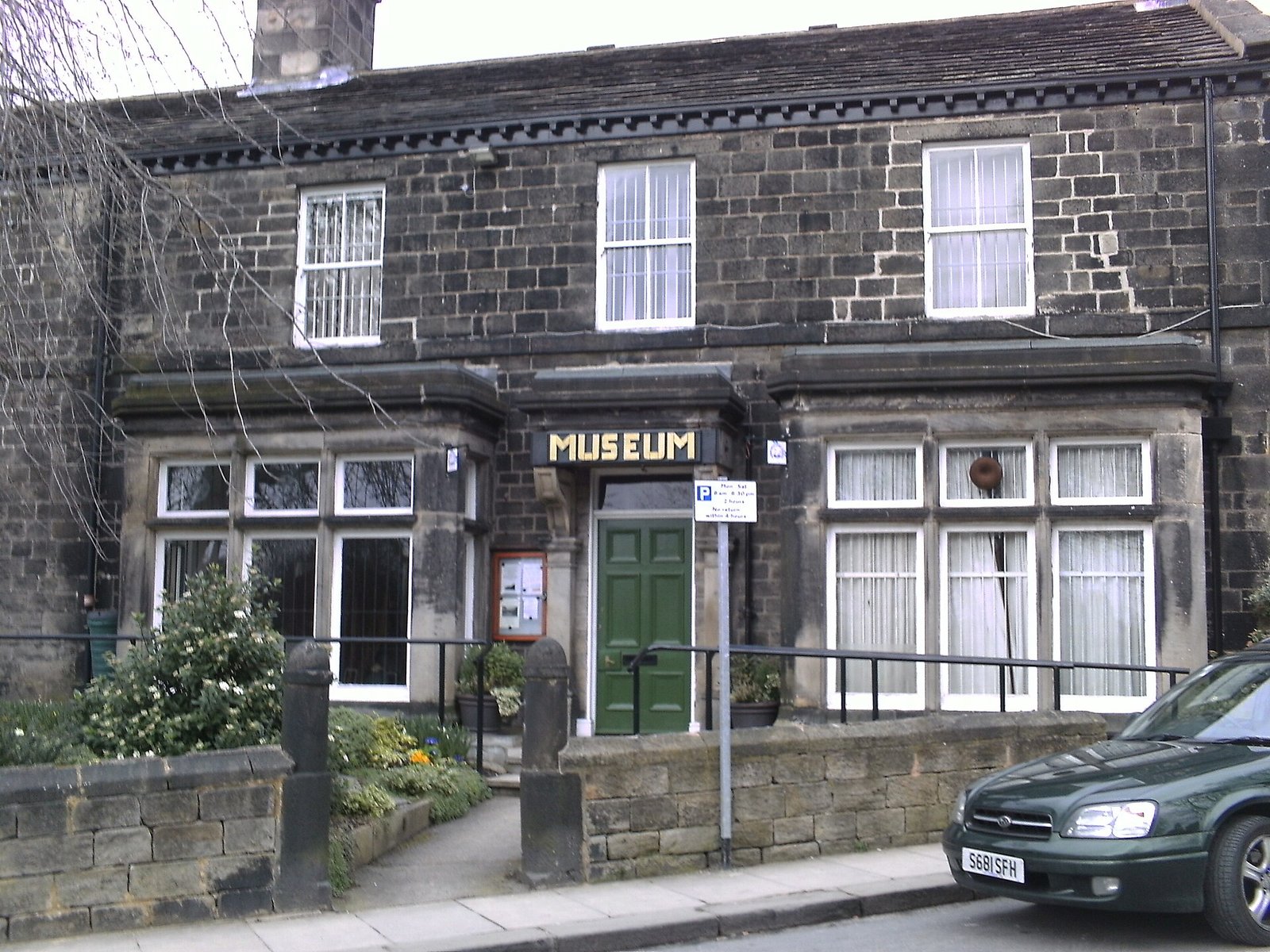
Like Morley, Horsforth lost its independence in the 1974 reorganisation, when Horsforth Urban District was abolished and merged into the new City of Leeds. But in 1999 Horsforth regained a civil parish — and its council promptly exercised the right to declare Horsforth a town. The Horsforth Village Museum, housed in the old council school on The Green, keeps the community’s archive: photographs, displays on village life, and a Home Front exhibition telling the Aubrietia story.
1800s · The largest village in England
For centuries Horsforth’s wealth came from the ground itself. Its quarries produced stone of exceptional quality: in medieval times it supplied building stone and millstones to Kirkstall Abbey; later it provided stone for Scarborough’s seafront, and sandstone from Golden Bank Quarry was shipped as far away as Egypt. That is why Horsforth has a higher proportion of sandstone buildings than any other part of Leeds. Industry followed: mills on Horsforth Beck served the textile trade, and at Woodside the Watson family’s tannery (founded about 1820) turned to soap — Joseph Watson & Sons grew into the largest soap supplier in the north-east of England, second in the country only to Lever Brothers.
Growth had a price: an outbreak of typhoid swept the village in 1861–62, a reminder of how strained its wells and lanes had become. Even so, by the late Victorian years Horsforth’s population had swelled past every rival to earn its famous title — the largest village in England — as railways, trams and the nearby canal turned it into a dormitory for Leeds clerks and managers, while the fields and quarries still defined its edges.
1539 · The Stanhope centuries
When Henry VIII dissolved the monasteries in 1539, Horsforth was split and sold to five families. One of them, the Stanhopes, steadily gained supremacy and effectively controlled the village for the next 300 years. Their estate records survive as one of the most extensive collections of their kind in England — which is why Horsforth’s everyday history, its tenants, fields and quarrels, is unusually well documented for a village of its size.
1152 · The abbey’s village
After the Norman Conquest, the three Saxon thegns who had held Horsforth gave way to the king and then to Norman lords — but within a century most of the village belonged to Kirkstall Abbey, the great Cistercian house founded in 1152 downstream on the River Aire. For nearly 400 years Horsforth was an abbey village: its farmers paid their dues to the monks, and its quarries sent stone down to build and maintain the abbey itself.
1086 · Horseford
Horsforth enters history in the Domesday Book of 1086, recorded as Horseford, Horseforde and Hoseforde — from Old English horsa and ford: “the horses’ ford”, a crossing of the River Aire near Newlay, later used to carry woollen goods between the Aire valley and Pudsey, Shipley and Bradford. The name may be older still: coins of the late ninth century stamped ORSNA FORD are thought by some to have been minted here — two centuries before Domesday, horses were already crossing the river at Horsforth.
Photographs via Wikimedia Commons (CC BY / CC BY-SA). Sources include the Horsforth Village Museum, Leeds City Council’s Horsforth conservation appraisal and the UK census.